
Surprise! You're Going to Be a Grandparent: Your First 5 Steps
The first hours and days after learning you're going to be a grandparent set the tone for everything that follows. These five steps help you navigate the excitement while building a strong foundation with your future grandchild's parents—even if you've already responded imperfectly to the news.
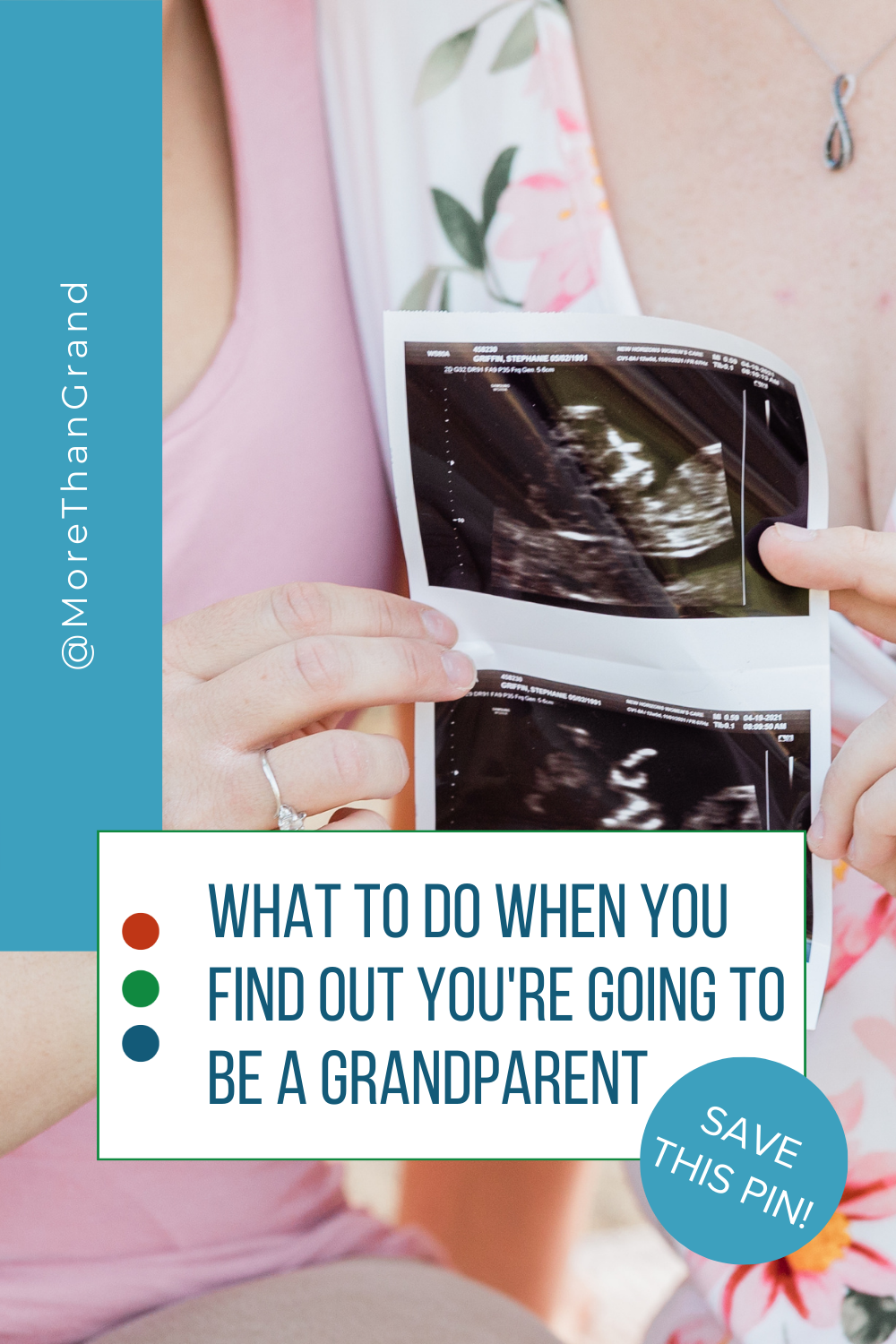
A few years ago on Christmas, my son and daughter-in-law gathered my husband and daughters together in my mother's dining room. My head was swimming with the overstimulation of nearly 30 people and several dogs celebrating the holiday. So when my son summoned us to the dining room, it didn't even occur to me to wonder what was going on. When they handed us an ultrasound picture, I was completely and totally surprised. In that moment of shock and joy, I had no idea what to say or do next.
If you've just found out you're going to be a first-time grandparent, you might be feeling that same overwhelming mix of excitement, surprise, and uncertainty about what comes next. The first hours and days after learning you'll become a grandparent matter more than you might realize: They set the tone for your entire relationship with your future grandchild and their parents.
Step 1: What to say when you find out you're going to be a grandparent (even if you already responded)
If you're reading this with an ultrasound picture still in your hand, take three deep breaths before you say anything else. But chances are, you've already responded—maybe perfectly, maybe not—and you're now searching for guidance on what comes next. That's okay. What matters most isn't your first reaction; it's what you do in the hours and days that follow.
If your initial response was less than ideal, you can reset. A simple text or call saying, "I was so surprised yesterday that I don't think I responded the way I wanted to. Let me try again: Congratulations! I'm so excited for you both, and I can't wait to support you in this" gives you a chance to start over. Most expectant parents understand that big news catches people off guard.
Whether you're reading this in the moment or after the fact, the principle is the same: respond thoughtfully rather than reactively. Before you send the next text, make the next call, or have the next conversation, pause to consider what expectant parents actually need to hear rather than defaulting to your first impulse.
Avoid questions that sound like judgment, even if you don't mean them that way. "Was this planned?" "I thought you planned to wait?" "How will you afford a baby?" These questions might feel natural to you, but they can stress parents-to-be who need your confidence and support, not your anxiety about whether they're ready.
After the initial congratulations, focus your next comments on the parents-to-be rather than yourself or the future baby. "You're going to be amazing parents" or "I'm so happy for you both" keeps the spotlight where it belongs. Avoid comments that minimize their joy, even unintentionally. "It's about time!" or "Say goodbye to sleep!" feels negative even if you mean it playfully.
If you have concerns about timing, readiness, or circumstances, keep them to yourself for now. Your job in this moment is to celebrate with them, not solve problems they may not even have.
Step 2: Should you post about becoming a grandparent on social media?
After congratulations, your next question should be about their plans for sharing the pregnancy news. This simple question demonstrates respect and prevents awkward situations where you accidentally reveal information they weren't ready to share.
Your First 5 Steps as a First Time Grandparent
- Respond thoughtfully: Pause before reacting. Lead with genuine congratulations focused on the parents-to-be, not yourself. Avoid questions that sound like judgment. If you already responded poorly, you can reset.
- Ask about sharing the news: Find out if they've told others yet and whether they're planning special announcements. Resist posting on social media without permission—this is their news to share.
- Process your emotions privately: Complex feelings about becoming a grandparent are normal, but expectant parents shouldn't have to manage your worries. Talk to your partner, a friend, or a therapist—not them.
- Learn what's changed: Say: "I know things have changed since I had babies. I want to learn what's current so I can support you the way you need." Then educate yourself about current practices.
- Offer specific support on their timeline: Ask what would be most helpful during pregnancy. Be prepared for them to say they don't need help yet—and accept that gracefully.
Ask: "This is such exciting news! Have you told others yet, or would you like me to keep this private for now?" Many couples choose to wait until after the first trimester to announce pregnancies widely, and they need to know you'll respect that timeline. Find out if they're planning special announcements for other family members or friends, and make sure you understand your role.
Resist the urge to immediately text your friends or post on social media. This isn't your news to share—it belongs to the expectant parents. Your restraint shows that you respect their role as parents from the very beginning, which builds trust for more significant decisions ahead.
Step 3: How to process your own emotions about becoming a grandparent
Finding out you're going to be a grandparent triggers complex emotions. Excitement, certainly, but also worry about whether your adult child is ready, anxiety about how this will change your relationship with them, nostalgia for when they were young, or concern about your own readiness for this role. “I’m too young to be a grandparent!” is a common response. These feelings are completely normal, and they need to be processed privately, not shared with expectant parents.
Your adult child doesn't need to manage your emotions right now. They're dealing with their own excitement, fears, and uncertainties about becoming parents. When you express concerns about their readiness, financial situation, or timing, you add stress to an already overwhelming life transition. Even well-intentioned worry sounds like doubt in their capability.
Find appropriate outlets for processing these feelings. Talk to your partner about your concerns. Call a close friend who can listen without judgment. If anxiety about this transition feels overwhelming, consider talking to a therapist. Journal about what scares you and what excites you. Give yourself space to work through the full range of emotions privately.
This processing serves a crucial purpose: it helps you separate your emotional experience from your supportive role. You can feel worried about whether they're financially ready while simultaneously expressing confidence in their ability to figure things out. You can grieve that your relationship with your adult child is changing while celebrating their growth into parenthood. These emotions can coexist, but expectant parents only need to see your supportive side.
Once you've processed your concerns elsewhere, you can show up for your adult child as the confident, encouraging presence they need. This doesn't mean being fake: it means being intentional about who carries the weight of your worries. The answer is: not them.
Step 4: What's changed in baby care since you had children?
Between when you had children and now, enormous changes have occurred in parenting practices, safety guidelines, and childcare approaches. As a first-time grandparent, one of your most important early tasks is educating yourself about current recommendations. Babies haven’t changed since you had one, but many of the best practices raising them have.
Start by acknowledging this gap in your knowledge. Say something like: "I know things have changed a lot since I had babies. I want to learn what's current so I can support you the way you need." This statement tells parents you're coachable and humble, two qualities they desperately want in grandparents.
Research current safe sleep guidelines, car seat requirements, and feeding recommendations. These areas have seen significant updates based on new research, and following outdated practices can endanger your future grandchild. Understand that many parenting approaches common when you raised children are now considered harmful or less effective.
Don't frame your questions as challenges to current practices. "Why don't parents do [old practice] anymore?" can sound defensive. Instead, ask: "I've heard recommendations about [current practice] have changed. Can you help me understand the new approach?"
New Grandparent Essentials provides comprehensive, current information on what's changed in baby care and parenting since you raised your own children. It covers everything from safe sleep to modern parenting philosophies, helping you support expectant parents with confidence rather than outdated advice.
Step 5: How to offer help to expectant parents without overstepping
Once you've congratulated the parents-to-be and committed to learning current practices, you can begin thinking about how to support them during pregnancy and beyond. But this support needs to be offered on their terms, not yours.
Ask what kind of help would be most useful during the pregnancy. Some expectant parents want help with nursery preparation or baby registry advice. Others prefer to figure things out on their own initially. The only way to know is to ask specifically rather than assuming.
Offer concrete help rather than vague availability. "I'd love to help you set up the nursery when you're ready" or "I'm happy to go with you to look at cribs if that would be helpful" gives parents clear options. "Let me know if you need anything" sounds supportive but requires them to manage you.
Be prepared for parents to say they don't need help yet or that they have things handled. This isn't rejection—it's them establishing their competence and autonomy as parents. "That sounds great. The offer stands whenever you're ready" leaves the door open without pressuring.
What comes next after learning your first grandchild is on the way
These initial steps after learning you're going to be a grandparent set the tone for your entire relationship with your future grandchild and their parents. When you respond with genuine excitement, respect boundaries, and commit to learning rather than assuming you know best, you demonstrate that you'll be a supportive presence throughout their parenting journey.
The months of pregnancy give you time to prepare emotionally and practically for grandparenthood. Use this time to educate yourself about current practices, reflect on what kind of grandparent you want to be, and build trust with the expectant parents through consistent support that respects their autonomy. Remember that becoming a grandparent isn't just about your relationship with a future baby—it's about your evolving relationship with your adult child and their partner.
You may also like: